12 Home and Garden Essentials for Modern Living
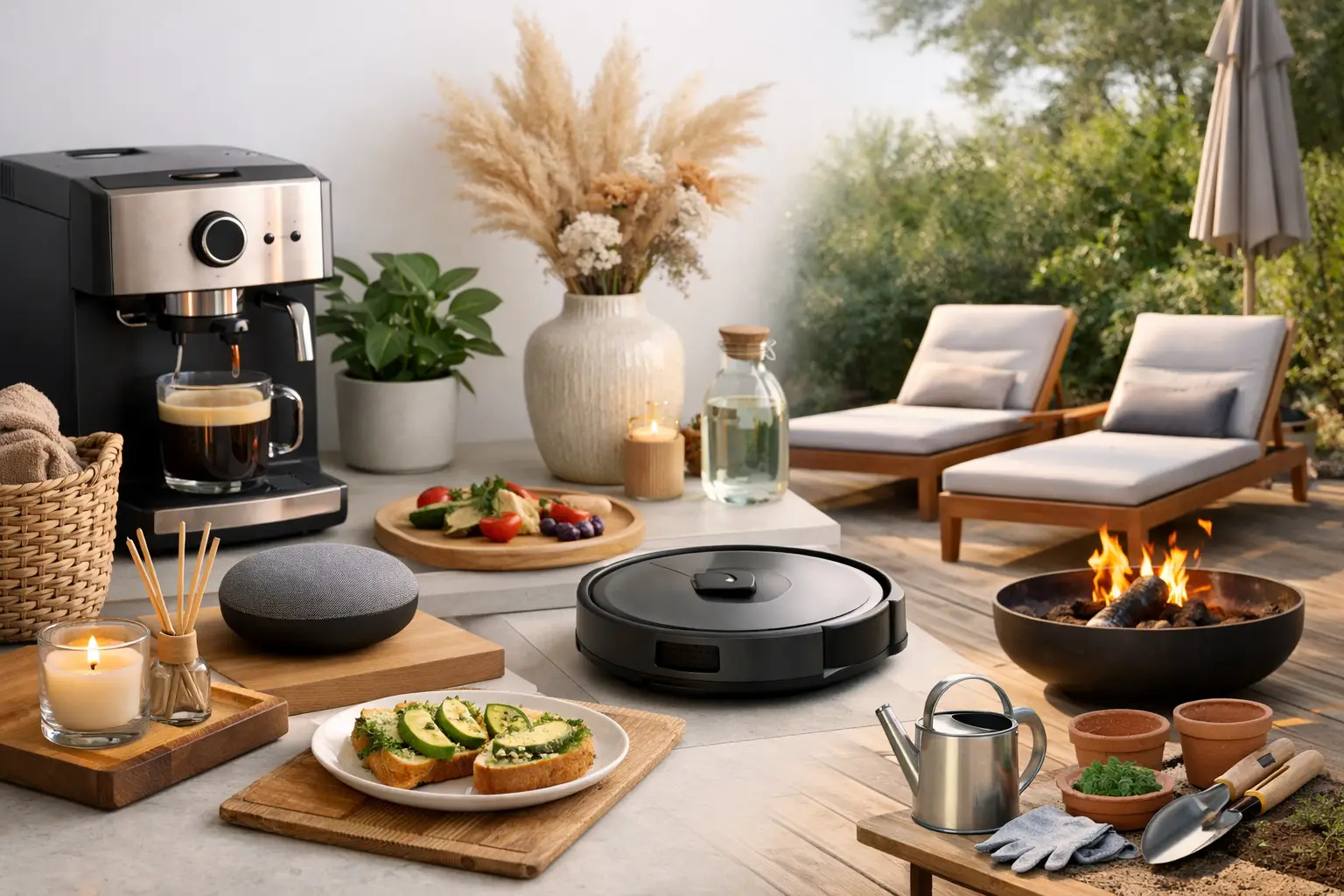
A home rarely feels modern because of one big purchase. More often, it comes together through the right details – the pieces that make a room easier to use, more comfortable to live in, and noticeably more polished at a glance. That is why home and garden essentials for modern living are less about filling space and more about choosing well. The goal is a home that looks elevated, works harder, and feels better every day.
For many shoppers, modern living is not about chasing a showroom-perfect aesthetic. It is about finding that sweet spot where style, practicality, and value all meet. A sculptural lamp that improves the mood of a room, a patio set that turns a quiet corner into an outdoor retreat, or kitchen tools that save time without sacrificing design – these are the upgrades that make a visible difference.
What modern living really asks from your home
A modern home has to do more than look good. It needs to support real routines, changing seasons, and often more than one purpose in the same space. A dining area may double as a workspace. A patio may become a weekend entertaining zone. A bathroom may need to feel calm in the morning rush and restorative at night.
That is why the best essentials are the ones that blend beauty with function. Premium-looking pieces matter, but so does durability, storage, comfort, and ease of maintenance. If an item looks stunning but adds friction to daily life, it is usually not essential. If it brings sophistication and solves a problem, it earns its place.
Home and garden essentials for modern living start indoors
The strongest home upgrades usually begin with the rooms you use most. Start where your daily routines happen, because that is where thoughtful products deliver the fastest payoff.
Lighting that shapes the mood
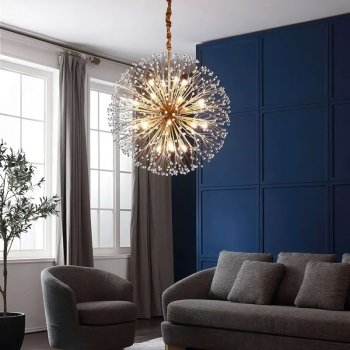
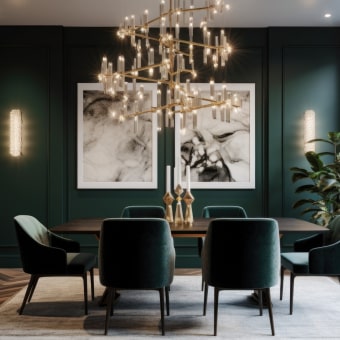
Lighting is one of the most effective ways to change how a home feels. The right fixture adds dimension, warmth, and a high-end finish, even in a simple room. Table lamps, pendant lights, and modern floor lamps can make a space feel curated rather than purely functional.
There is a trade-off here. Statement lighting creates visual impact, but practicality still matters. In work zones and kitchens, bright task lighting is worth prioritizing. In bedrooms and living rooms, softer layered lighting often creates the more luxurious result. A balanced home uses both.
Kitchen tools you actually want on display
Modern kitchens work best when they feel organized and efficient without looking clinical. That usually means choosing a few well-designed essentials instead of crowding counters with every possible gadget. Coffee equipment, sleek organizers, elevated serveware, and compact appliances can all make the kitchen feel more intentional.
This is also where quality perception matters. A countertop item is part tool, part decor. If it performs well and looks refined, it contributes twice. If it is bulky or visually noisy, it can quickly make the room feel less polished.
Bathroom pieces that feel like an upgrade
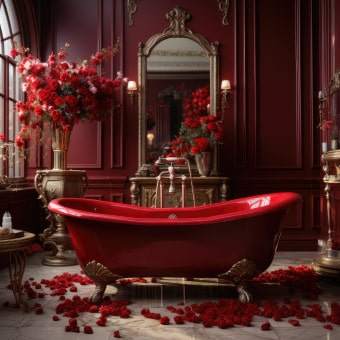
Bathrooms are often overlooked until they start feeling inconvenient. Yet a few targeted additions can make them feel cleaner, calmer, and more premium. Thoughtful storage, refined dispensers, upgraded mirrors, plush bath accessories, and wellness-focused extras can shift the room from basic to boutique.
The key is restraint. Too many decorative pieces can shrink the space visually. The best bathroom essentials create order first, then style. That order is what makes the room feel expensive.
Furniture that earns its footprint
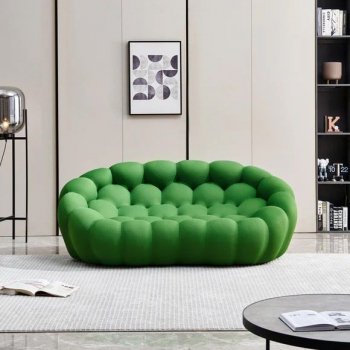
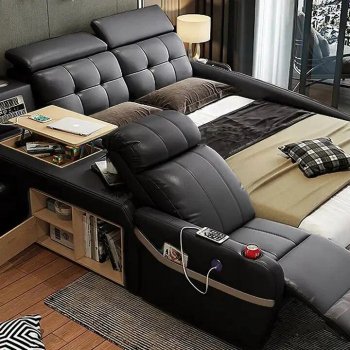
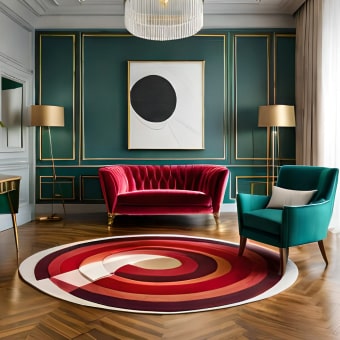
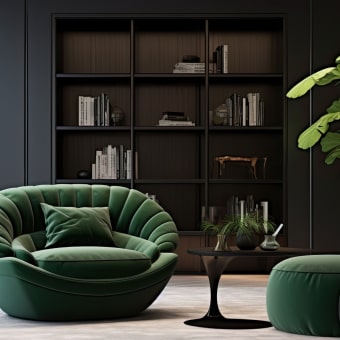
Modern furniture should do more than occupy space. It should improve flow, define the room, and offer comfort that lasts longer than first impressions. Accent chairs, side tables, storage benches, and statement coffee tables are especially useful because they combine design with daily utility.
Size matters here more than many buyers expect. Oversized pieces can overwhelm an apartment or smaller home, while undersized furniture can leave a room feeling unfinished. The most successful selections are proportionate, visually clean, and easy to live with. That is often what gives a space its quiet confidence.
The garden and patio are part of modern living too
Outdoor spaces are no longer secondary. Even a compact balcony, porch, or small backyard can become an extension of the home with the right pieces. Comfort outside has become just as valuable as comfort inside.
Patio seating that invites people to stay
A modern outdoor setup starts with seating that feels intentional. Whether it is a pair of sculptural lounge chairs, a coordinated conversation set, or a dining arrangement for weekend meals, the right seating turns unused square footage into a destination.
Comfort is the deciding factor. Stylish patio furniture may look impressive in photos, but if cushions are thin or the setup feels awkward, it will not get used. The best outdoor pieces offer both design appeal and genuine ease, especially during warmer months when entertaining shifts outside.
Shade, ambiance, and evening comfort
Outdoor living does not stop with furniture. Shade solutions, accent lighting, and finishing touches create the atmosphere that makes a garden or patio feel complete. A space can be simple and still feel elevated when it includes soft lighting, practical protection from the sun, and a few well-chosen decorative elements.
This is where modern outdoor design often gets it right. It avoids clutter and focuses on experience. You want enough detail to make the space feel inviting, not so much that upkeep becomes a chore.
Planters and decor with clean lines
Planters are one of the easiest ways to bring structure and personality to an outdoor area. They add color, texture, and shape while helping define different zones. In modern spaces, clean silhouettes and coordinated finishes usually feel more sophisticated than overly ornate options.
That said, the right planter depends on the setting. A sleek minimalist style works beautifully on a city balcony. A larger patio or garden may benefit from warmer textures and more substantial forms. Modern does not always mean stark. It often means edited, balanced, and purposeful.
How to choose essentials that feel premium without overspending
One of the smartest ways to shop is to focus on visible impact first. Some purchases transform a room immediately, while others are better as later upgrades. If your budget is limited, start with the pieces people notice most and use most often.
Lighting, accent furniture, patio seating, kitchen counter items, and bathroom organizers tend to offer strong return for the money because they affect both function and presentation. They help your home feel finished. Once those anchors are in place, smaller accessories can build on the look.
It also helps to think in terms of categories rather than single impulse buys. If you are refreshing a living room, choose one focal piece and support it with two or three essentials that match in tone. The same applies outdoors. A cohesive setup often looks more luxurious than a collection of unrelated items, even when the total spend is modest.
For shoppers who want premium style without traditional luxury pricing, curation matters. That is where a retailer with a broad but design-forward selection becomes useful. Market Maestros, for example, appeals to shoppers who want standout finds across home, outdoor, and lifestyle categories without sacrificing value, service, or convenience.
Home and garden essentials for modern living should match real life
The best homes are not built around trends alone. They are built around how people actually live. A household with pets may need durable fabrics and easier-clean surfaces. A couple that loves hosting may get more value from patio dining and serving pieces than from decorative extras. Someone in a smaller apartment may benefit more from compact furniture and vertical storage than oversized statement items.
That is why the smartest shopping decisions usually come from asking a practical question first: what would make this space work better every day? Once that answer is clear, style becomes easier to choose.
Modern living also benefits from flexibility. Pieces that move between rooms, serve more than one purpose, or adapt across seasons tend to hold their value longer. A side table that works in the living room now and on the patio later is often a better buy than something highly specific. Versatility is not the most glamorous word in design, but it is often what makes a home feel well considered.
When you shop with that mindset, essentials stop feeling basic. They become the foundation of a more comfortable, refined routine – indoors and out. Choose pieces that bring ease, polish, and everyday pleasure, and your home will start to feel less like a collection of things and more like a space that truly keeps up with the life you want to live.









Leave a comment