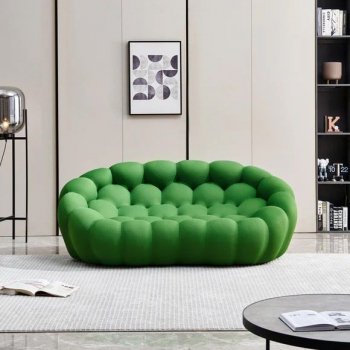
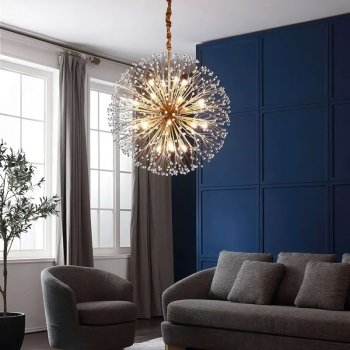
Best Statement Furniture for Small Spaces
A tiny room gets cluttered fast, but it also rewards bold choices faster than a large one. The best statement furniture for small spaces is not the biggest piece you can fit. It is the piece that earns its footprint with presence, polish, and smart function.
That distinction matters. In a compact apartment, condo, guest room, or studio, every item competes for visual space and daily use. A forgettable chair wastes room. A sculptural chair that also offers real comfort changes the whole atmosphere. The right statement piece gives a small home that finished, curated look people usually associate with larger budgets and larger square footage.
What makes statement furniture work in a small room
Statement furniture in a compact home has to do two jobs at once. First, it needs personality. That can come from a curved silhouette, rich upholstery, striking texture, high-contrast color, or an elevated material mix like wood and metal or velvet and brass. Second, it needs restraint. If the scale is off, or the detailing is too busy, the piece stops looking refined and starts looking crowded.
That is why the best pieces often feel bold in one clear way rather than five at once. Think of a coffee table with an unusual shape but a clean finish, or an accent chair in a dramatic fabric with a relatively open frame. In small rooms, contrast reads better than excess.
Proportion matters just as much as style. Furniture with exposed legs, slimmer arms, rounded edges, or open bases tends to feel lighter, even when it still makes an impression. Pieces that sit heavily on the floor can work, but only if the rest of the room stays quiet. It depends on how much visual weight your space can handle.
Best statement furniture for small spaces by category
Accent chairs that look collected, not cramped
If there is one piece that can transform a small living room or bedroom corner, it is the right accent chair. This is often the easiest place to add a premium look because a chair can carry color, texture, and shape without demanding the footprint of a sofa.
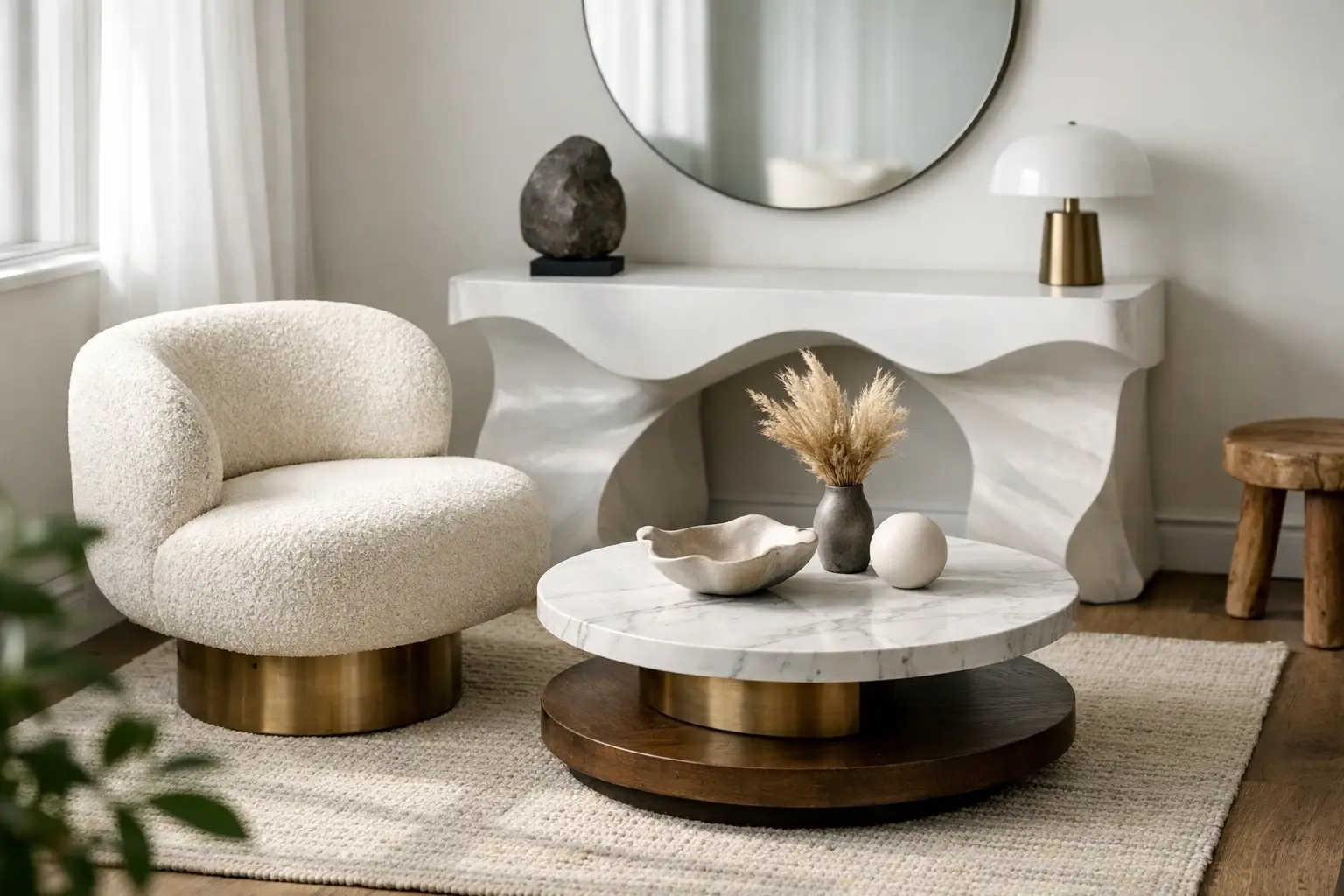
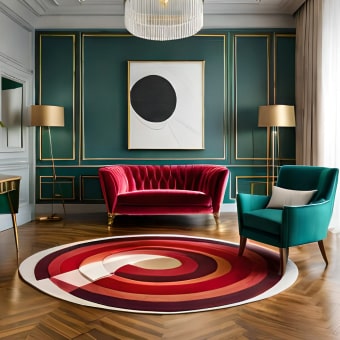
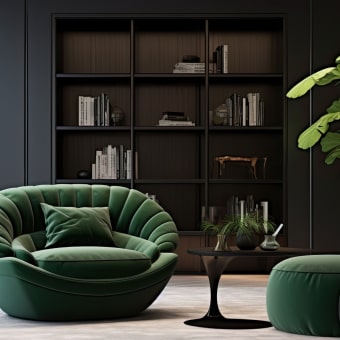
Curved barrel chairs, boucle occasional chairs, and low-profile velvet accent chairs are especially effective. They feel high-end, photograph beautifully, and create that boutique-hotel energy many shoppers want at home. The key is avoiding oversized wings or deep, bulky arms unless the room is otherwise very minimal.
A compact chair also helps define underused corners. In a studio, it can create a reading zone. In a bedroom, it can turn a blank corner into a styled moment. And unlike trend-heavy decor accessories, a strong chair still earns its place every day.
Coffee tables with sculptural appeal
In a small living room, the coffee table sits at the visual center whether you want it to or not. That makes it one of the smartest places to go bold. Round pedestal tables, fluted drum tables, acrylic silhouettes, and nested designs all add character while keeping movement easier in tight layouts.
A rectangular table can still work, but in close quarters, softer edges are often easier to live with. You get better flow around the piece, and the room feels less boxed in. Storage is a bonus, but it should not come at the expense of shape. If a storage table looks too blocky, it can flatten the whole room.
This is one of those categories where material choice does a lot of heavy lifting. Marble-look finishes, smoked glass, warm wood grain, and brushed metallic details can all create a more elevated effect without requiring ornate styling.
Dining tables that anchor without overwhelming
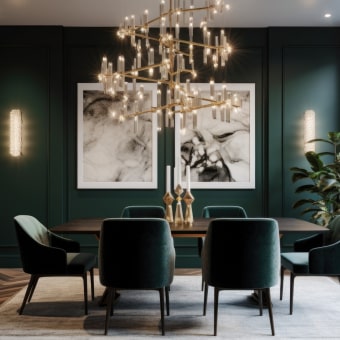
Small dining areas need furniture that looks intentional, not temporary. A bistro table, tulip pedestal table, or compact round dining table can act as a statement piece while keeping the floor plan open. Pedestal bases are especially useful because they reduce visual clutter and make seating more flexible.
If your dining area is part of a kitchen or living room, a striking table can help define the zone without walls or dividers. That is valuable in open-plan homes where furniture often has to do the architectural work.
Glass tops can make a room feel larger, but they are not always the best pick for every household. They show fingerprints, require more upkeep, and can feel less warm than wood or stone-look materials. If low maintenance matters, choose a table with a dramatic base and a practical top.
Consoles and entry tables with a boutique feel
A narrow console is one of the most underrated statement pieces for small spaces. It can bring shape and sophistication to an entryway, hallway, dining wall, or the back of a sofa. Because the profile is slim, you can be a little more expressive with details like ribbing, curved edges, metallic accents, or a dark luxe finish.
The best versions feel decorative but still useful. A console with a lower shelf, discreet drawer, or strong top surface adds styling potential without becoming dead space. In compact homes, that balance is everything.
If your entry is especially tight, floating or open-frame styles tend to feel cleaner than enclosed cabinets. But if hidden storage is your top priority, a compact cabinet-style console may be the better trade-off.
Beds and headboards that elevate the whole bedroom
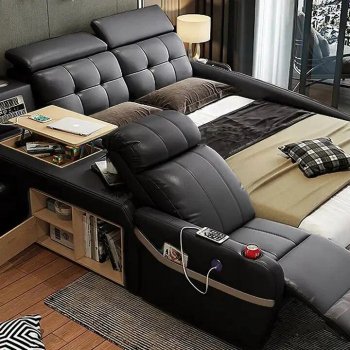
In a small bedroom, the bed is already the focal point, so it makes sense to treat it like one. An upholstered headboard, channel-tufted design, or softly arched frame can create a luxury-inspired look with no extra furniture required.
This is often a better investment than filling the room with multiple decorative pieces. A statement bed simplifies the design story. It gives the room confidence and lets everything else stay more understated.
That said, scale is critical. Tall headboards can look gorgeous, but in a room with low ceilings they may feel imposing. Storage beds are practical, though some designs appear heavier than others. If you want under-bed storage and a refined look, choose a frame with clean lines and premium-looking upholstery rather than an overly bulky base.
How to choose one standout piece without shrinking the room
The biggest mistake people make is trying to create a statement with several competing pieces. In small spaces, one strong anchor usually works better than three medium-impact items. Decide where you want the eye to land first. Then support that piece with simpler forms around it.
Color can help, but it is not the only route. A neutral chair with an artful silhouette can be more effective than a bright chair in a generic shape. Texture also carries a lot of weight in compact interiors. Boucle, velvet, ribbed wood, caning, and stone-look surfaces create depth without relying on louder color palettes.
Negative space matters too. A statement piece needs breathing room to read as special. If every surface is packed, even beautiful furniture loses impact. Leave a little empty space around your standout item so it can actually stand out.
Small-space trade-offs worth thinking about
Not every stylish piece is practical for every household. A glass coffee table may open up a room visually, but it is not ideal for homes with young kids or pets. A boucle chair feels current and refined, but lighter fabrics need more care. A sculptural dining table can make a dramatic impression, but unusual bases sometimes limit legroom.
That does not mean you should play it safe. It just means the best statement furniture for small spaces should fit the way you live, not only the way you want the room to look in a photo. Premium design feels better when it also works on a Monday morning.
This is where curated shopping becomes useful. Instead of sorting through endless options, it helps to focus on pieces that blend standout design with everyday usability. Market Maestros leans into that balance with elevated finds that look polished, feel current, and make compact spaces feel more intentional without the traditional luxury markup.
The look to aim for
A well-furnished small room does not feel stuffed with ideas. It feels edited. One sculptural chair. One beautiful coffee table. One bed that sets the tone. That is usually enough.
If you choose carefully, statement furniture does more than decorate a room. It gives a compact home identity. And when space is limited, that kind of impact is worth far more than square footage.










Leave a comment