Comfortable Shoes for All Day Wear That Deliver
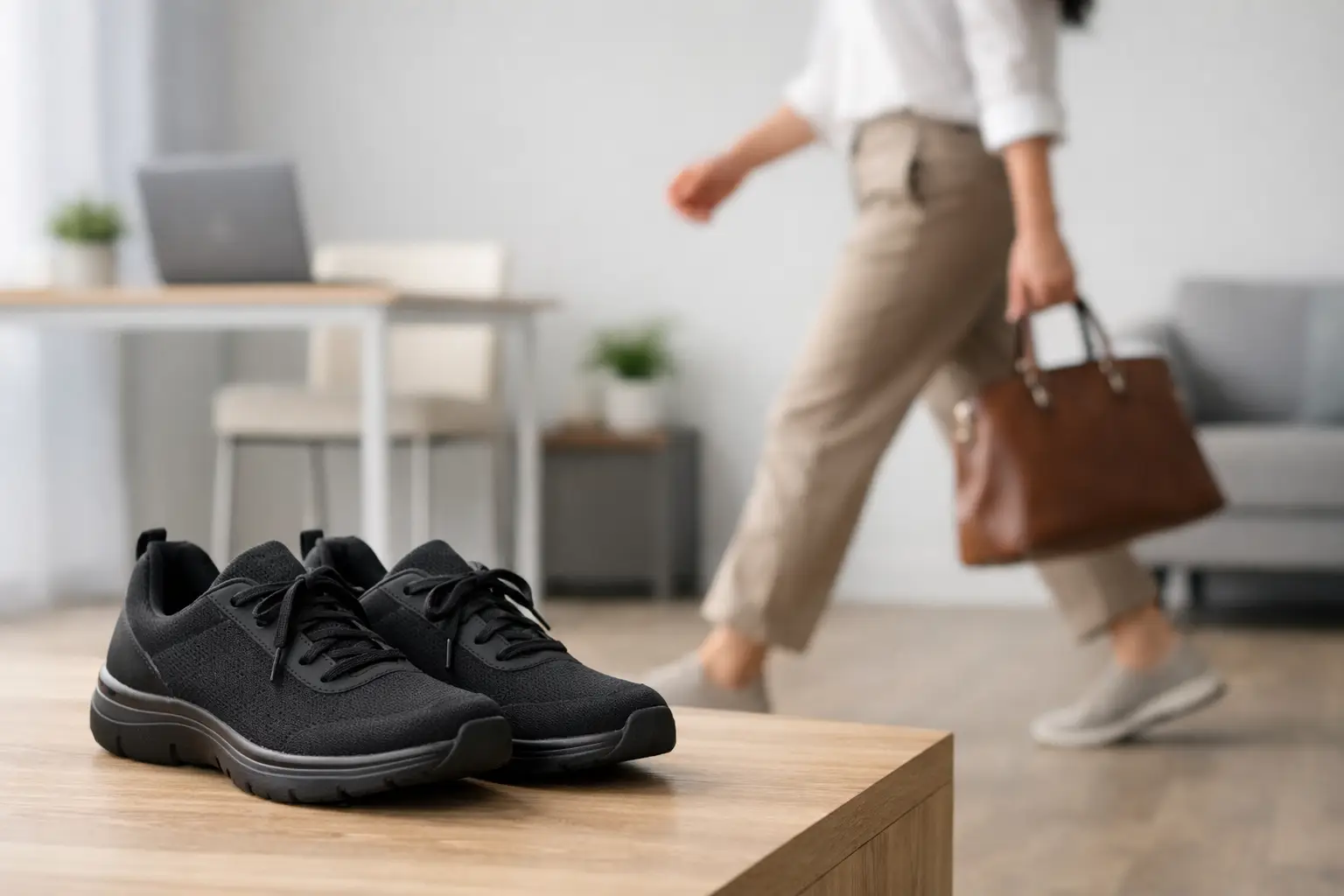
The right pair of shoes should still feel good at 6 p.m., not just when you first step out the door. Whether your day includes a commute, meetings, school pickup, errands, or a dinner reservation, comfortable shoes for all day wear make every part of the schedule feel more polished and manageable. The goal is not to settle for something purely practical. It is to choose footwear that brings together support, elevated design, and the kind of fit that lets you stay present instead of counting the minutes until you can take your shoes off.
What Makes a Shoe Comfortable All Day?
All-day comfort is rarely the result of one feature. A cushioned footbed can feel wonderful, but it will not compensate for a shoe that bends in the wrong place or rubs at the heel. Likewise, an elegant silhouette may suit your wardrobe, yet a too-narrow toe box can turn a beautiful pair into a pair you avoid wearing.
The best everyday shoes support the natural shape and movement of your feet. They offer enough cushioning to soften hard sidewalks and indoor flooring, enough structure to prevent a tired, unstable feeling, and enough flexibility to move with you. The exact balance depends on how you spend your day. Someone standing at a retail counter has different needs from someone who walks several city blocks between appointments, but both benefit from intentional construction.
Look first at the footbed. Contoured cushioning that supports the arch and heel generally feels more substantial than a flat, thin insole. Then consider the midsole, which is the layer between your foot and the outsole. A quality midsole helps absorb impact and keeps the shoe from feeling harsh after hours of movement.
The outsole matters, too. A flexible sole is useful for walking, while a grippy rubber or textured base adds confidence on slick floors, wet pavement, and stairs. For many shoppers, a modest platform or low block heel can be more comfortable than a completely flat sole because it creates room for cushioning without forcing the foot into a steep angle.
Choose Comfort by Your Day, Not Just the Shoe Type
It is tempting to search for one pair that handles every possible occasion. In reality, the most satisfying shoe wardrobe includes a few versatile styles chosen for the routines you actually have. A sleek sneaker may be your daily essential, while a supportive loafer or low-heel boot handles professional settings with more structure.
For commutes, errands, and long walks
Fashion sneakers are a natural place to start, especially styles with padded collars, breathable uppers, and supportive insoles. They can look clean and refined with straight-leg denim, tailored trousers, casual dresses, or matching lounge sets. A streamlined leather-look sneaker offers a more elevated finish than a bulky athletic style when your day moves from the coffee shop to lunch with friends.
Walking-focused shoes should have enough room at the front for toes to spread naturally. Your feet can swell slightly over a long day, particularly in warm weather or after standing for extended periods. A shoe that feels just barely snug in the morning may become distracting by afternoon.
For work and polished occasions
Loafers, ballet flats, ankle boots, and low block heels can all deliver a more dressed-up look without sacrificing your comfort. The key is construction. Seek out soft linings, cushioned insoles, stable heel bases, and uppers that do not pinch across the top of the foot.
A pointed toe is not automatically off-limits, but it should taper beyond the toes rather than compress them. If you favor a sharper silhouette, consider a style with a wider forefoot or a softened almond-shaped toe. The same principle applies to slingbacks and mules: they can look sophisticated, but secure straps and a well-shaped footbed are essential if you will be walking more than a few steps.
For a workday that includes standing presentations or networking events, a low block heel often offers a smarter trade-off than a thin heel. It gives an outfit definition while providing more surface area for stability. Keep the heel height modest if comfort is the priority. A beautiful shoe should enhance your posture and confidence, not make you adjust your stride.
For travel days
Travel calls for shoes that are easy to wear for hours, simple to remove when needed, and stylish enough to complement a planned-out outfit. Slip-on sneakers, supportive loafers, and flexible ankle boots are dependable options. Avoid a brand-new pair for a major travel day, even if it feels comfortable during a quick try-on at home.
Instead, break in new shoes gradually. Wear them inside for an hour, then for a short outing, paying attention to pressure points around the heel, pinky toe, and top of the foot. A shoe does not need to feel painfully tight to cause blisters later. Small areas of friction are worth addressing early with a different size, style, or sock choice.
The Fit Details That Change Everything
Size is only part of fit. Foot width, arch height, instep shape, and even the thickness of your usual socks affect how a shoe feels. This is why two people can have the same shoe size but prefer entirely different styles.
Try footwear later in the day whenever possible, when your feet are closer to their typical active size. Stand and walk on a hard surface rather than judging only from a seated position. Your heel should feel secure without being squeezed, and you should have a little space between your longest toe and the front of the shoe. Do not assume the longest toe is always the big toe.
Pay attention to the upper material as well. Soft leather, quality synthetic leather, knit textiles, and certain suede-like finishes can feel more forgiving than rigid materials. Still, do not rely on a shoe stretching dramatically. A slight adjustment over time is normal; hoping a narrow shoe will eventually become roomy is usually a costly mistake.
If you use custom orthotics or prefer added arch support, removable insoles are especially useful. They give you the freedom to personalize the fit without forcing your foot into a cramped interior. For people with high arches, heel pain, or recurring discomfort, a more structured shoe may be a better investment than an ultra-soft style that lacks support.
Style and Comfort Can Belong in the Same Closet
Comfortable footwear has moved well beyond purely athletic designs. The most versatile choices now borrow from current fashion while keeping wearability at the center. Think crisp white sneakers with sculpted soles, loafers with subtle metallic details, refined slip-ons, or ankle boots in warm neutrals that work across seasons.
Color also plays a role in how often you will reach for a pair. Black, tan, cream, taupe, and soft gray are easy foundations for an everyday wardrobe. A rich burgundy, metallic accent, or textured finish can create a statement while remaining easy to style. If you are building a smaller shoe collection, choose one neutral pair for daily use and one design-forward pair that adds personality to simple outfits.
At Market Maestros, the appeal of a well-chosen shoe is more than a trend. It is a practical upgrade to the way you move through your routine. Premium-looking details, versatile colors, and considered comfort features help make getting dressed feel less like a compromise and more like a finishing touch.
When Cushioning Is Not the Answer
More padding is not always better. An overly soft shoe can feel plush at first but may leave your feet working harder to stay stable, particularly during long walks or standing shifts. If you notice fatigue in your arches, ankles, or calves, you may need firmer support rather than extra softness.
Similarly, lightweight shoes are appealing for travel and warm-weather outfits, but they should still have enough sole protection for your environment. A thin flat may be ideal for a short indoor event, while a thicker, more structured sole is usually the better choice for a day on concrete.
The right answer depends on your movement, your foot shape, and your personal style. Comfort should feel secure and natural, not overly restrictive or overly squishy.
A Better Standard for Everyday Footwear
Before committing to a pair, picture the full day you want it to handle. Can you walk several blocks in it? Stand in line? Drive comfortably? Pair it with the outfits you already wear most? When a shoe earns yeses across those questions, it has real staying power.
Choose styles that make your routine feel lighter while still giving your outfits a refined, confident finish. The best pair will not ask you to choose between looking put together and feeling ready for whatever the day brings.








Leave a comment