
A Guide to Layered Home Lighting That Works
A beautiful room can still feel unfinished at 7 p.m. The furniture may be perfectly placed, the rug may anchor the space, and the colors may feel considered, yet one overhead fixture can make the whole room look flat. This guide to layered home lighting is about giving each room the warmth, depth, and flexibility that turns a well-decorated house into a home people want to linger in.
Layered lighting is not reserved for designer homes or major renovations. It is a practical approach to choosing light for how you actually live: bright enough to cook, calm enough to unwind, flattering enough to host, and polished enough to make everyday spaces feel more intentional.
What layered lighting really means
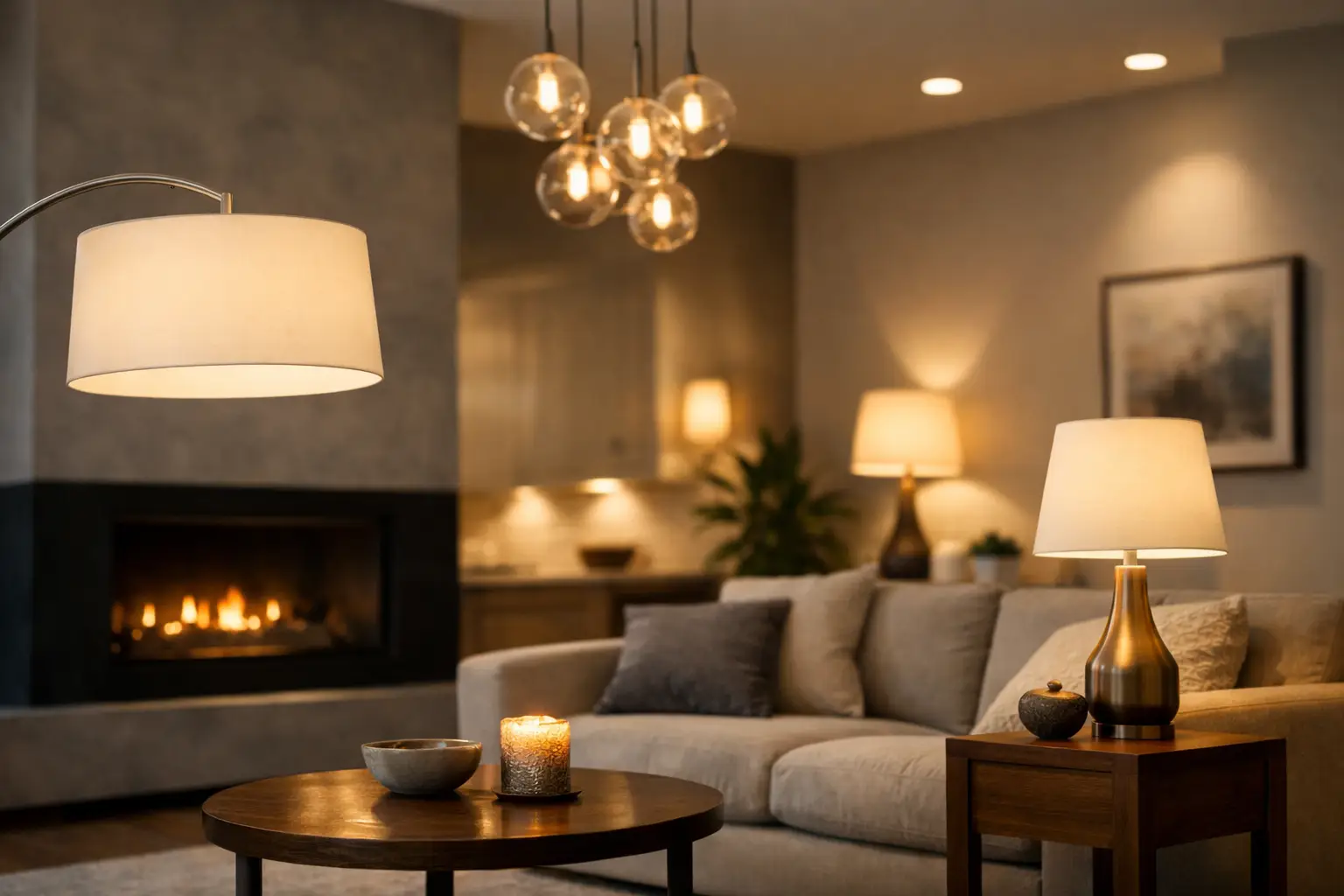
A layered lighting plan combines three jobs: ambient lighting for overall visibility, task lighting for specific activities, and accent lighting for visual interest. When all three are present, a room feels more dimensional because the eye moves between pools of light rather than landing on one harsh source overhead.
Ambient lighting is the foundation. It may come from a ceiling fixture, recessed lights, a flush mount, wall sconces, or a pair of floor lamps. Its job is to help everyone move through the room comfortably without dark corners or glare.
Task lighting is more focused. Think of a pendant above a kitchen island, a reading lamp next to a favorite chair, vanity lighting around a bathroom mirror, or a compact desk lamp in a home office. This layer prevents you from asking a decorative fixture to do work it was never designed to do.
Accent lighting is where personality enters. A picture light, a small lamp on a console, an uplight behind a sculptural plant, or a spotlight on open shelving can turn architecture, art, and collected objects into part of the room’s evening atmosphere.
Start with the room’s real routine
Before choosing a chandelier or adding another lamp, consider what happens in the space from morning through night. A living room used for movie nights, casual entertaining, and reading needs more flexibility than a formal sitting room. A kitchen where kids do homework needs more than attractive pendants. A bedroom may need soft bedside light, reliable closet visibility, and a gentle path to the bathroom after dark.
This is why one-size-fits-all lighting plans rarely feel right. The best choice depends on ceiling height, natural light, furniture placement, wall color, and how a household uses the room. Dark paint, wood paneling, and heavy textiles absorb more light. Pale walls and reflective finishes can make a modest fixture feel far brighter.
Walk through each space and identify the moments that need light: entering, preparing food, applying makeup, working, reading, dining, relaxing, and hosting. Those moments reveal where layers belong.
Build the ambient layer first
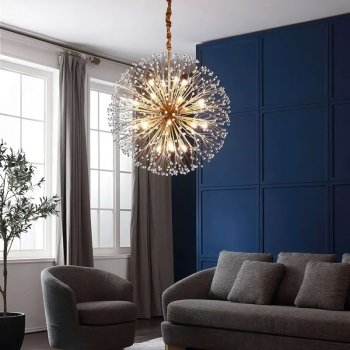
Begin with the source that makes the entire room usable. In a bedroom, that could be a semi-flush ceiling light paired with bedside lamps. In a living room, a statement chandelier may provide presence, while floor lamps and sconces ensure the corners are not left in shadow.
Overhead lighting has its place, but it should not be the only answer. A central fixture creates general illumination, yet it often casts light straight down and can leave faces, walls, and seating areas looking dull. Add secondary ambient sources at different heights to soften that effect.
For a more elevated look, choose a fixture that matches the room’s scale rather than simply filling an empty patch of ceiling. A dramatic pendant can give a dining room sophistication delivered in a single focal point, but an oversized fixture in a low-ceiling space can feel crowded. Conversely, a small fixture above a large dining table may disappear visually and provide too little light.
Dimmers are one of the most useful upgrades in any layered plan. They allow a bright kitchen to shift from weekday meal prep to a relaxed dinner setting without changing a single fixture. If rewiring is not practical, plug-in dimmer options and smart bulbs can offer flexibility for lamps and select fixtures.
Add task light where precision matters
Task lighting should land where hands and eyes are working. In the kitchen, pendants over an island create a polished focal point, but under-cabinet lighting is often the layer that makes chopping, measuring, and cleaning more comfortable. A bright decorative pendant alone may still leave shadows on the countertop.
At a desk, position a lamp so your writing hand does not cast a shadow across the page. For right-handed users, light usually works best from the left; reverse that for left-handed users. Choose an adjustable arm if the desk serves multiple purposes, such as work calls during the day and crafts in the evening.
Bathroom lighting deserves special care. A single fixture above the mirror can create under-eye shadows and uneven light. Sconces placed on either side of the mirror, or a well-designed illuminated mirror paired with overhead ambient light, offer a more flattering and functional result. Look for clean, bright light at the vanity, then add dimmable ambient light for a more spa-like wind-down.
Bedside lighting should be easy to reach and proportioned to the furniture. A petite lamp can look lost beside a wide upholstered bed, while a large statement lamp may crowd a narrow nightstand. Wall-mounted reading lights are an excellent choice when surface space is limited, especially in guest rooms where convenience makes a memorable difference.
Use accent lighting to create a collected look
Accent lighting is the layer that makes a home feel curated rather than merely illuminated. It directs attention toward what you chose on purpose: a framed print, textured wall, statement vase, bookshelf, or a striking piece of furniture.
Keep this layer selective. If every object is highlighted, nothing stands out. Aim for a few points of interest within the room, then leave enough visual quiet around them. A small lamp on a sideboard can make a dining room feel welcoming before guests even sit down. LED strips inside a glass-front cabinet can add subtle depth, while a picture light gives artwork a gallery-inspired finish.
Warm accent light is usually the most forgiving choice for living areas, bedrooms, and dining rooms. It enhances wood, brass, natural fibers, and soft fabrics, all of which contribute to an inviting premium look. Cooler light can be useful in utility spaces, garages, or highly task-driven work areas, but it can make a lounge space feel clinical if used everywhere.
Choose bulb color and brightness with intention
The fixture gets attention, but the bulb determines much of the experience. For relaxed living spaces, bulbs around 2700K tend to create a warm, welcoming glow. Around 3000K can feel slightly crisper while remaining comfortable for kitchens and bathrooms. Higher color temperatures may suit a workspace, but they should be used thoughtfully in rooms designed for rest.
Brightness is measured in lumens, not watts. A decorative lamp with a low-lumen bulb may be perfect for atmosphere but insufficient for reading. Rather than chasing one extremely bright fixture, spread light across several sources. This gives you better coverage, fewer harsh shadows, and more control over mood.
Bulb visibility also matters. Clear filament-style bulbs look beautiful in open fixtures and can add vintage-inspired character. Frosted bulbs are often better when the bulb is directly in your line of sight, since they reduce glare and create a softer appearance.
A room-by-room guide to layered home lighting
In the living room, pair an overhead fixture or ceiling fan light with a floor lamp near seating and one or two table lamps. Add a picture light or a discreet uplight if the room has art, architectural detail, or a favorite display area. The goal is to avoid relying on the ceiling light once the day winds down.
In the dining room, let the pendant or chandelier set the tone, then support it with a buffet lamp, wall sconces, or nearby accent light. A dimmer is especially valuable here because dining needs a lower, more flattering light level than serving or cleaning up.
In the bedroom, use a gentle ceiling fixture for general light, then add bedside lamps or mounted reading lights. A small lamp on a dresser can make the room feel noticeably more luxurious, particularly when the overhead light is off. If you have a walk-in closet, bright, even lighting is worth prioritizing over decorative drama.
In entryways, combine a ceiling fixture with a console lamp when space allows. The ceiling light makes arrival and departure easy, while the lamp creates a welcoming glow visible from adjacent rooms. It is a small detail that immediately makes a home feel cared for.
Avoid the common lighting mistakes
The most common mistake is installing a beautiful fixture and expecting it to handle every lighting need. Another is choosing bulbs that are too cool or too bright for a room intended for comfort. Glare is also easy to overlook: exposed bulbs, bare downlights, and shiny surfaces can create discomfort even when a room has enough illumination.
Do not treat matching fixtures as a requirement. A coordinated home can include metal, glass, ceramic, linen, and wood finishes as long as the pieces share a considered mood. A sculptural floor lamp, refined table lamp, and statement ceiling fixture can feel far more collected than a matching set.
Build your lighting plan gradually if needed. Start with the room where you spend the most evenings, then add one meaningful layer at a time. The right lamp beside a chair or a warm glow on a console can change the feeling of a home long before every fixture is replaced.








Leave a comment