Online Stores With Free Returns Worth Using
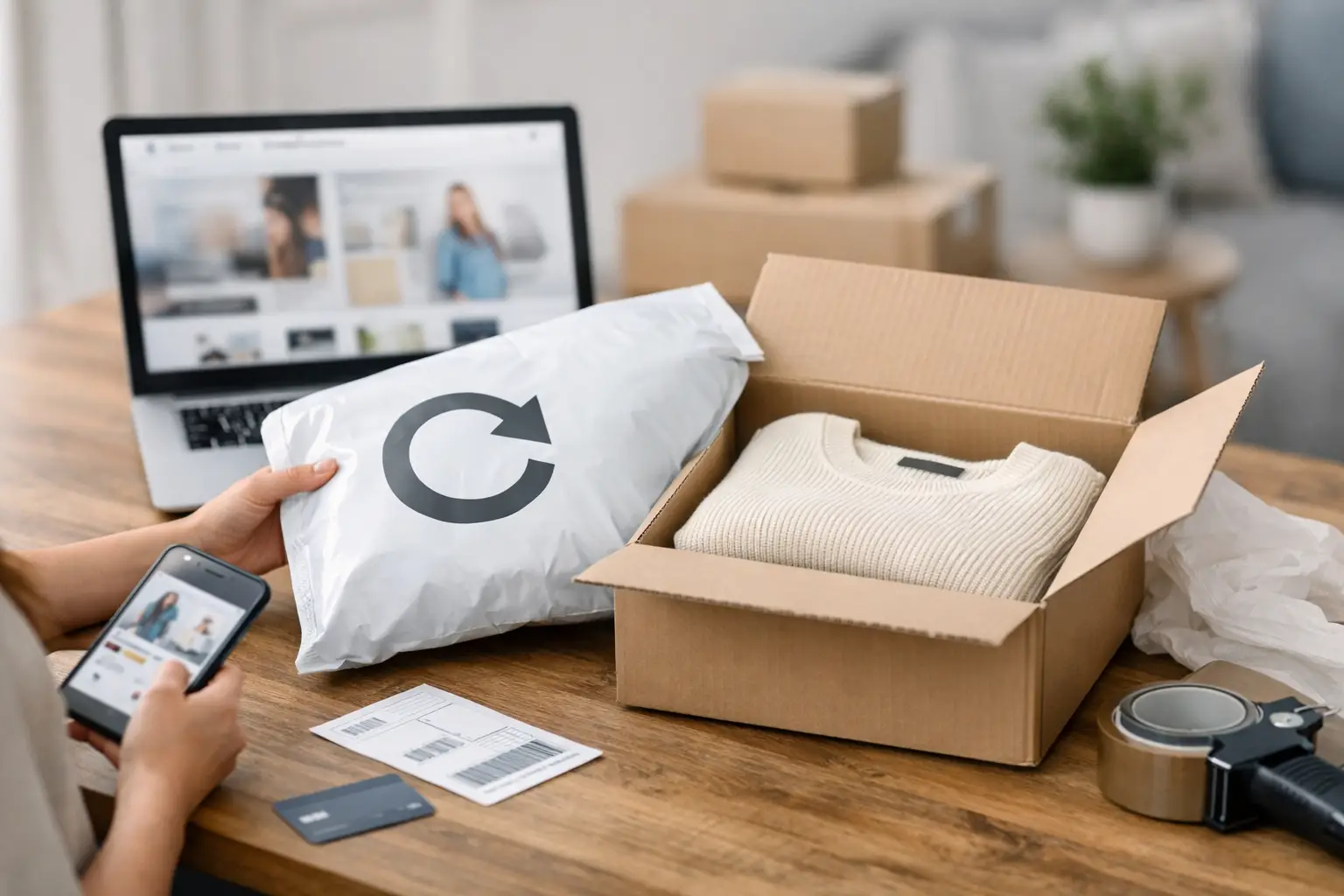
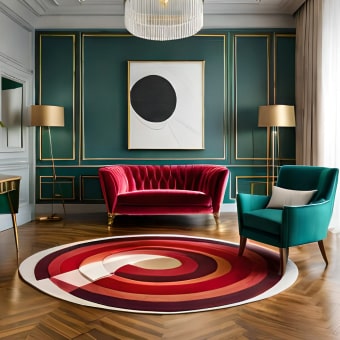
A velvet accent chair looked perfect on your screen. Then it arrived, met your living room lighting, and suddenly the tone felt off. That moment is exactly why online stores with free returns matter. When you are shopping for pieces that shape your home, wardrobe, or daily routine, flexibility is not a perk. It is part of buying well.
The best online shopping experience is not just about finding something beautiful at a strong price. It is about feeling confident enough to click buy without worrying that one wrong size, finish, or fit will turn into a hassle. For shoppers who want elevated style without department-store markups, a clear free-return policy creates breathing room. It lets you shop with taste and with standards.
Why online stores with free returns stand out
A polished product page can tell you a lot, but it cannot tell you everything. Texture reads differently in person. Shoes fit differently from brand to brand. A lamp that feels sculptural in a photo may look oversized on your console table. Free returns give online retail a practical kind of luxury – the freedom to change your mind when reality and expectation do not quite line up.
That matters across categories, but especially in lifestyle shopping. Home decor, furniture accents, apparel, personal care devices, kitchen upgrades, pet products, and wellness accessories all involve some level of trial. You are not simply buying an object. You are testing whether it works in your space, your routine, and your version of comfort.
Stores that offer free returns signal something else, too. They are often more confident in the products they curate and more invested in long-term customer trust. Not every store can afford to make that promise. When one does, it usually reflects a stronger service model and a better understanding of what modern shoppers expect.
What free returns actually mean
The phrase sounds simple, but the details matter. Some online stores with free returns cover return shipping but expect items to be sent back within a short window. Others provide a prepaid label yet exclude certain categories such as final-sale apparel, intimate items, custom furniture, or digital products. A few stores advertise free returns only for store credit, not a refund to your original payment method.
That does not make those policies bad. It just means free returns are not one-size-fits-all. A shopper buying a candle warmer or throw pillows might be comfortable with a shorter return window. Someone ordering a larger decor piece or a pair of boots may want more time to evaluate the purchase properly.
The smartest approach is to look beyond the headline and ask three simple questions. How long do you have to return it? Who pays for the shipping? Do you get your money back, or only store credit? Those answers tell you much more than a badge on the homepage.
The difference between easy returns and generous returns
Some stores make the process fast but narrow. Others make it broad but slower. Easy returns usually mean a clean online portal, printable labels, and straightforward instructions. Generous returns usually mean a longer window, fewer exclusions, and minimal friction on refunds.
Ideally, you want both. But if you have to choose, the right option depends on what you are buying. For trend-led fashion and everyday accessories, easy often wins. For premium-looking home goods or larger purchases, generous terms matter more because those items take longer to assess in a real setting.
How to judge online stores with free returns before you buy
A stylish storefront is only half the story. A reliable one leaves clues.
Start with the return language itself. Strong retailers state the policy in plain English and do not bury key exclusions in hard-to-find fine print. If the policy feels vague, that is usually a sign the process may be frustrating later.
Next, consider product presentation. Stores that invest in detailed dimensions, close-up imagery, material notes, and customer reviews reduce the odds of disappointment in the first place. Free returns are valuable, but thoughtful merchandising is what keeps you from needing them every other order.
Then look at the broader trust package. Fast US shipping, responsive support, and a money-back guarantee work especially well alongside free returns because they create a more complete feeling of security. For shoppers furnishing a room, refreshing a patio, or upgrading kitchen and bath essentials, that service layer can make a curated online store feel far more dependable.
Signs a return policy fits design-conscious shoppers
If your purchases are driven by style as much as function, a good policy needs to support visual decision-making. Color mismatch is one of the biggest reasons lifestyle items get returned. The same goes for scale. A wall light, side table, or decorative storage piece may be beautifully made and still feel wrong in your home.
That is why return flexibility is so appealing in premium-inspired retail. You can order with ambition, knowing you have a path back if the piece does not deliver the sophistication you had in mind. It is easier to experiment with statement items when the risk feels controlled.
Where shoppers benefit most from free returns
Fashion is the obvious category, but it is not the only one. Home and living may be where free returns create the most value. A rug can shift a whole room, but if the tone misses by even a little, you know it immediately. The same goes for lighting, bathroom accessories, cookware, patio pieces, and decorative accents that need to coordinate with what you already own.
Tech and wellness products also benefit, though in a different way. Here the question is often usability rather than appearance. Does the gadget feel intuitive? Is it as compact as expected? Does it solve the problem you bought it for? A fair return option gives customers room to test without feeling trapped.
Pet products are another underrated category. Beds, carriers, grooming tools, and feeding accessories can look ideal online but work poorly for a specific pet’s habits or size. Free returns help take the guesswork out of shopping for companions whose preferences are rarely listed in the specs.
The trade-offs behind free returns
Free returns sound universally positive, but there are trade-offs. Some retailers offset the cost with slightly higher prices, tighter return windows, or more final-sale promotions. Others absorb the cost because customer acquisition and repeat business matter more than margin on one order.
As a shopper, the key is not assuming every free-return policy is equally valuable. A lower price at checkout may be less appealing if returning a disappointing purchase becomes expensive or complicated. On the other hand, a store with slightly higher prices but strong service can offer better overall value.
This is especially true when shopping curated selections rather than giant marketplaces. A boutique-style retailer often provides a more refined assortment, stronger visual standards, and products that feel more intentional. If that experience also includes free returns, it creates an appealing balance of aspiration and practicality.
Shopping smarter with online stores with free returns
Use free returns as a confidence builder, not an excuse to buy carelessly. Measure your space, read dimensions, compare colors, and check material details first. That saves time and makes each purchase more likely to succeed.
It also helps to think category by category. For furniture-adjacent decor and statement pieces, prioritize stores with a clear refund process and enough time to style the item in your home. For apparel and accessories, look for easy label generation and quick turnaround. For personal care or digital products, read the exclusions carefully, because those categories often carry more limitations.
If you find a store that combines design-forward curation with transparent service promises, keep it on your short list. Those are the retailers that make online shopping feel elevated rather than uncertain. Market Maestros, for example, leans into that blend of premium presentation and customer reassurance by pairing stylish finds with free returns and fast US shipping.
Confidence is part of the luxury
Luxury is not only about price or appearance. It is also about ease. The feeling that your shopping experience has been considered from start to finish matters just as much as the object itself. When a retailer removes friction around returns, it tells customers their standards are welcome.
That is what makes free returns so powerful in modern ecommerce. They support better choices, not impulsive ones. They give shoppers room to refine their taste, test what works, and invest in pieces that genuinely improve everyday life.
When you find online stores with free returns that also deliver strong design, fair pricing, and dependable support, shopping becomes less of a gamble and more of a confident upgrade.











Leave a comment