How to Style Statement Lighting in Every Room
A dramatic fixture can make an ordinary room feel considered before anyone notices the sofa, artwork, or rug. The secret to how to style statement lighting is not choosing the loudest chandelier in the room. It is choosing a piece with enough presence to define the space, then giving it the scale, surroundings, and supporting light it needs to look intentional.
Statement lighting is one of the most effective ways to bring premium character home without taking on a full renovation. A sculptural pendant, globe chandelier, oversized floor lamp, or modern wall sconce can introduce warmth, texture, and visual confidence in a single update. The right choice turns a practical necessity into a focal point that elevates daily living.
Start With the Room’s Job, Not Just Its Style
Before falling for a fixture, consider what happens in the room after dark. A dining room needs faces and food to look inviting. A bedroom needs softness and flexibility. A kitchen needs clear task lighting, especially around prep areas. In a living room, the goal is usually atmosphere, with enough illumination for conversation, reading, and relaxing.
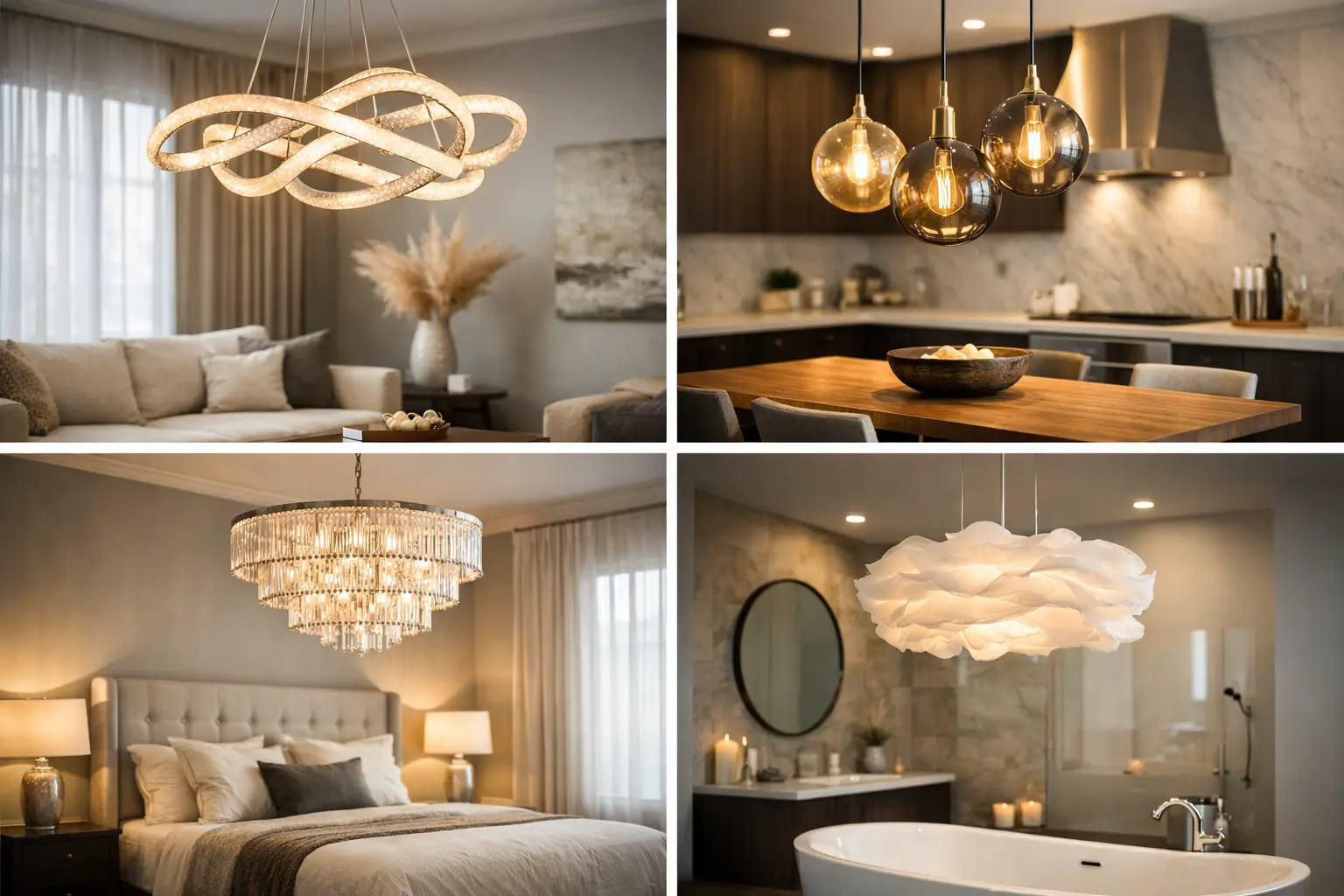
This is where statement lighting can be both beautiful and useful. A large pendant above a dining table establishes a natural center point, while a floor lamp with an artful shade can soften a seating area that feels flat or under-furnished. In an entryway, a chandelier or flush mount sets the tone within seconds of arriving home.
Do not expect one fixture to do every job. A striking ceiling light may be the star, but it should work alongside lamps, sconces, or under-cabinet lighting when the room requires more practical coverage. Layering creates that polished, high-end effect people often associate with professionally designed interiors.
Choose the Right Scale for a Confident Look
The most common mistake with statement lighting is going too small. A tiny pendant over a long dining table or a narrow chandelier in a vaulted foyer can disappear instead of making an impact. Larger pieces often look more expensive because they feel proportional to the architecture and furnishings around them.
For a dining table, aim for a fixture that is roughly one-half to two-thirds the table’s width. Leave enough visual breathing room at each end so it does not crowd the table or obstruct views. As a general starting point, hang it 30 to 36 inches above the tabletop. If ceilings are especially high, the fixture may need to sit slightly higher, but it should still feel connected to the table rather than floating overhead.
In a living room, let the seating arrangement guide the decision. An oversized arc lamp can frame a sectional beautifully, while a sculptural flush mount or semi-flush fixture is often a smarter choice in rooms with lower ceilings. A grand chandelier can be spectacular in the right setting, but it needs open space around it. If it competes with a ceiling fan, busy beams, or multiple large furniture pieces, the effect can become cluttered.
For an entryway, measure the open clearance below the fixture. Everyone should be able to move through the space comfortably, and doors should open freely. When in doubt, tape out the fixture’s approximate width on the floor or use painter’s tape to visualize its lowest point. This quick step prevents a beautiful purchase from feeling oversized in the wrong way.
How to Style Statement Lighting With Existing Decor
A statement fixture does not need to match every finish in the room. In fact, perfect matching can make a space feel more like a showroom set than a collected home. The goal is connection, not duplication.
Start by choosing one or two elements to repeat elsewhere. A brass chandelier may echo the warm tone of cabinet hardware, a mirror frame, or the legs of an accent chair. A black metal pendant can relate to picture frames, curtain rods, or a coffee table base. If the fixture has a woven, ribbed, or frosted-glass detail, bring in a similar texture through a vase, throw pillow, ceramic piece, or area rug.
Keep the visual hierarchy clear. If the light is bold, surrounding decor should give it room to shine. This does not mean the room must be minimal. It means avoiding too many competing focal points at the same height. For example, pair a dramatic chandelier with understated window treatments and a streamlined dining table, then add personality through artwork, linens, and table accessories below eye level.
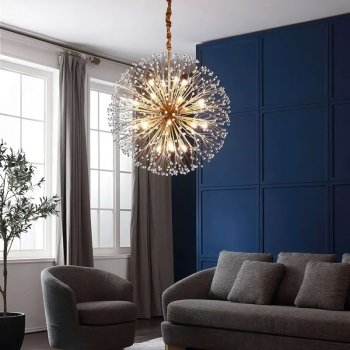
There is also a useful trade-off to consider: highly ornate fixtures can carry a simple room, while sleek modern lighting often benefits from richer materials nearby. A globe chandelier looks especially elevated against walnut, marble, velvet, or textured plaster. A detailed vintage-inspired fixture can feel fresh when balanced with clean-lined furniture and restrained color palettes.
Let Finish and Color Set the Mood
Finish is one of the fastest ways to shape a room’s personality. Brushed brass and antique gold bring warmth and an inviting sense of sophistication. Matte black feels crisp, architectural, and versatile, particularly in contemporary kitchens and industrial-inspired spaces. Chrome and polished nickel offer a cooler, more tailored look, while natural fibers, rattan, and wood introduce softness.
A light fixture can also be the room’s most compelling contrast. In an all-white kitchen, black pendants over an island create definition without adding visual weight. In a moody bedroom with deep blue or green walls, a warm metallic sconce can add a glow that feels luxurious rather than heavy. Clear glass keeps sightlines open in smaller rooms, while milk glass or fabric shades diffuse light more gently.
Think about the bulb temperature before making a final choice. Warm white bulbs, typically around 2700K, flatter wood tones, textiles, and skin, making them an easy choice for bedrooms, living rooms, and dining spaces. Slightly cooler light can work well for kitchens, bathrooms, and work areas where clarity matters. Whenever possible, install dimmers. They give a single statement fixture the range to feel lively during dinner prep and relaxed once guests settle in.
Use Statement Pieces Where They Matter Most
Not every room needs a dramatic ceiling fixture. Concentrate your investment where it will have the greatest daily impact or where guests naturally notice it first. Entryways, dining rooms, kitchen islands, and living rooms are obvious choices, but a beautiful bedroom pendant or pair of bedside sconces can make a private space feel equally special.
In the kitchen, treat pendants as a composition rather than isolated objects. Two larger pendants can feel more refined than three undersized ones over a standard island. Space them evenly, keep their bottoms aligned, and make sure they do not block views across the room. If your island is compact, one centered statement pendant may be the cleaner option.
In bedrooms, replacing traditional table lamps with wall-mounted sconces or small hanging pendants frees up nightstand space and adds a boutique-hotel feel. Choose shades that direct or diffuse light according to your habits. Readers may prefer adjustable arms or focused light, while those who use the bedroom primarily to unwind may want a softer, ambient glow.
For bathrooms, consider a decorative flush mount, small chandelier, or refined sconces if moisture ratings and local installation requirements allow. The vanity still needs practical, even light, so a decorative ceiling fixture should complement rather than replace functional mirror lighting.
Make It Look Deliberate, Not Overdone
A statement light earns its place when the rest of the room supports its story. Keep cords and chains proportionate, center the fixture over the furniture grouping rather than automatically centering it in the room, and use dimmable bulbs to maintain control over the mood. These details are subtle, but they are what make a design look finished.
Take a step back once the fixture is installed. If it feels isolated, add a nearby lamp, art, or reflective surface to carry its presence through the room. If it feels too dominant, reduce competing decor, use lighter bulbs, or soften the effect with textiles and natural materials. Great interiors are rarely about following one fixed formula. They are about balancing function, proportion, and the feeling you want to come home to.
The most memorable rooms usually have one moment that makes people look up. Choose that moment with confidence, style it with restraint, and let your lighting give everyday spaces the sophistication they deserve.








Leave a comment