Wellness Product Trends Worth Bringing Home
A better wellness routine rarely starts with a dramatic overhaul. More often, it begins with the things you reach for every day: a supportive pillow, a calming light, a shower tool that makes mornings feel less rushed, or a recovery accessory waiting beside the sofa. The latest wellness product trends reflect that shift. Shoppers are choosing polished, practical pieces that make home feel more restorative without turning every room into a clinic.
For design-conscious households, the strongest wellness purchases now work on two levels. They solve a real comfort need while looking considered enough to belong in a beautifully styled bedroom, bathroom, patio, or living space. That balance is what makes a product more likely to become part of a lasting routine rather than a short-lived impulse buy.
Wellness Product Trends Are Becoming More Personal
Wellness used to be marketed as a single category, often centered on fitness gear or supplements. Today, it is much more personal. One shopper may be focused on sleep quality after long workdays, while another wants a calmer bathroom routine, better posture at a desk, or an inviting outdoor corner for fresh-air downtime.
That means the most relevant products are not necessarily the flashiest. They are the ones that fit naturally into a person’s schedule and space. A heated wrap can support a quiet evening reset. A foot massager may earn its place near the favorite reading chair. A sleek water bottle or insulated tumbler can make hydration easier during commutes, workouts, and errands.
The design standard has changed, too. Buyers no longer want wellness items that feel bulky, medical, or destined for a closet. Neutral finishes, compact profiles, soft textures, and intuitive controls help these products feel at home alongside premium bedding, modern lighting, and elevated bathroom accessories.
Sleep Upgrades Lead the Comfort Conversation
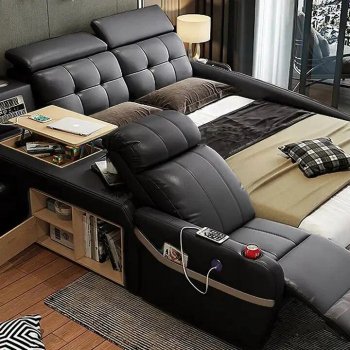
Sleep remains one of the most enduring areas of wellness spending because it affects so much of everyday life. The appeal is not complicated: people want a bedroom that feels like a retreat and products that support more comfortable, consistent rest.
Bedding is central to this trend. Breathable sheets, plush throws, supportive pillows, and mattress toppers give shoppers a way to refresh a sleep space without committing to a full bedroom renovation. Layering is especially popular because it delivers a high-end, hotel-inspired look while allowing each person to adjust for warmth and comfort.
Ambient lighting also matters. Harsh overhead light can make a bedroom feel functional rather than restful, while a table lamp, dimmable bedside light, or soft glow night light creates a more relaxed transition into the evening. The right lighting is not a substitute for healthy sleep habits, but it can make a wind-down routine feel more intentional.
There is a practical trade-off here. Highly specialized sleep devices can be appealing, but they are not always necessary. For many homes, a quieter room, more supportive bedding, and lighting that suits the evening may offer greater day-to-day value than another app-connected gadget.
The Luxury Look of a Better Bed
The most elevated sleep spaces combine comfort with restraint. Choose a calming color palette, then add tactile details such as a textured blanket, velvet cushion, or neatly placed robe. These small changes make the room feel more complete while encouraging the simple habit of treating rest as a priority.
Recovery Products Move Beyond the Gym
Recovery is no longer reserved for athletes. Long stretches at a desk, travel days, standing shifts, and busy family schedules can all leave the body feeling tense. That is why approachable recovery tools have become a staple in the modern wellness collection.
Massage guns, heated neck wraps, compression-style leg massagers, stretching accessories, and foot care tools appeal because they offer on-demand relief at home. They also fit a lifestyle built around convenience. Instead of booking an appointment every time shoulders feel tight, a shopper can create a comfortable reset ritual in a few minutes.
The key is to buy for the problem you actually have. A compact heated wrap may be ideal for someone who carries stress through the neck and shoulders. A foot massager may make more sense for a shopper who spends hours on their feet. Larger, feature-packed devices can be worthwhile for frequent use, but they take up space and may not be the best choice for an apartment or a minimalist home.
For anyone managing pain, injury, circulation concerns, or a medical condition, consumer wellness tools should complement professional guidance, not replace it. Thoughtful comfort is valuable, but realistic expectations are part of shopping well.
The Bathroom Is Becoming a Private Spa
The bathroom has become one of the most exciting wellness-focused rooms in the home. It is no longer viewed only as a practical space. With the right details, it can become a private place to reset before the day begins or decompress after it ends.
Shower upgrades are especially popular because they transform an existing routine without requiring a major renovation. A high-quality shower head, soft bath mat, absorbent towels, organized countertop storage, and warm lighting can make a standard bathroom feel more indulgent. Add a bath tray, a plush wrap, or a compact mirror with helpful illumination, and the space starts to feel deliberately curated.
A spa-like bathroom does not require filling every surface with products. In fact, the more refined approach is often simpler: keep the essentials accessible, choose accessories with a cohesive finish, and create clear visual breathing room. A few premium-looking pieces can have more impact than a crowded collection of novelty items.
At-Home Calm Has a Design Point of View
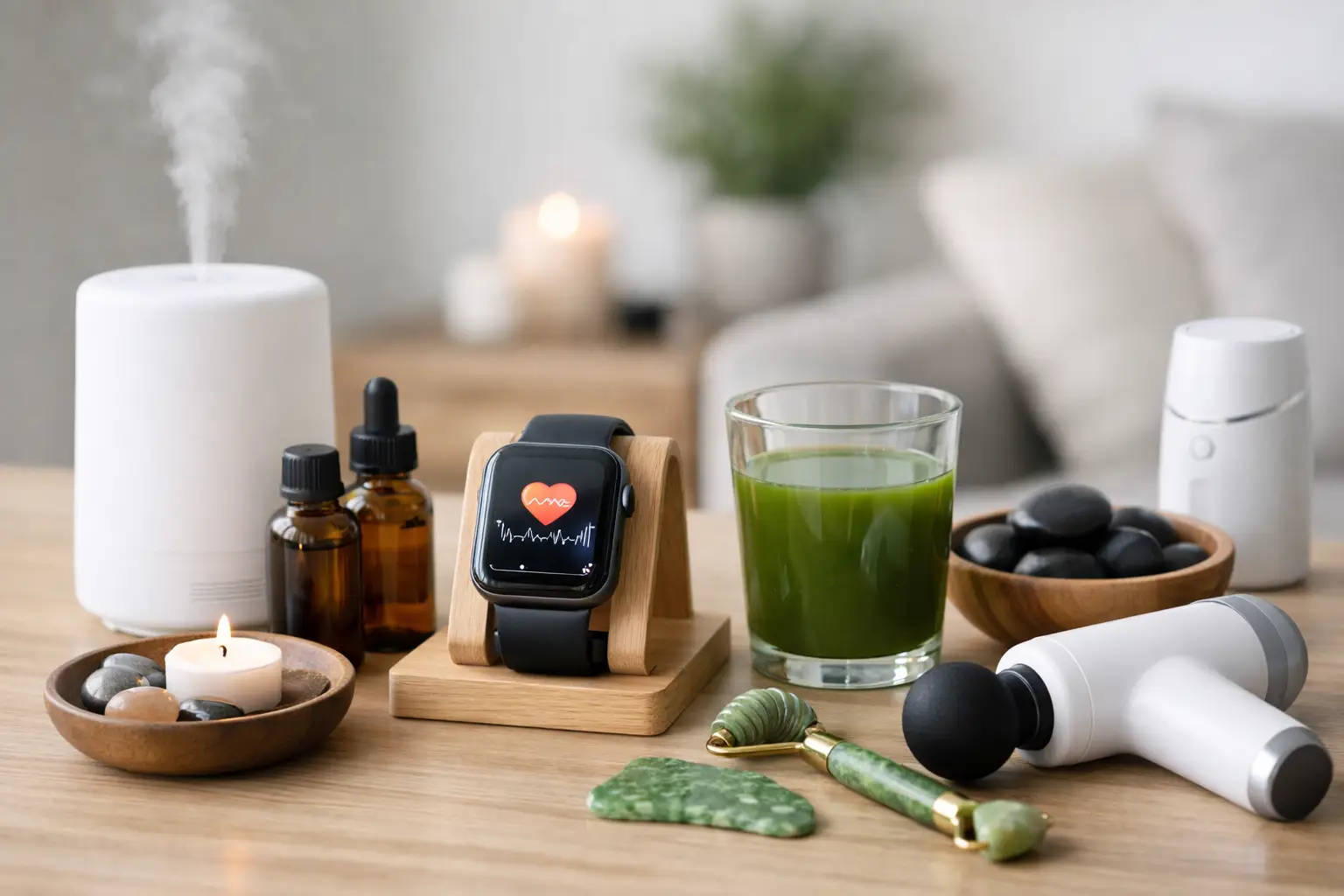
Stress relief products are becoming more visually sophisticated. Rather than hiding wellness accessories away, shoppers are selecting pieces that support a calmer atmosphere in plain sight. Aromatherapy diffusers, humidifiers, sound machines, soft lighting, and weighted blankets are all part of this movement when they suit the household’s needs.
Aromatherapy is a good example of where preference matters. Some people find that a familiar, light fragrance helps signal the end of the workday. Others are sensitive to scent or share space with children and pets, making a fragrance-free option better. A humidifier can bring welcome comfort in a dry room, but it also requires regular cleaning and the right placement.
The best approach is to build a short sensory ritual around what reliably makes you feel more settled. Perhaps that means lowering the lights, setting out a throw blanket, and using a sound machine before bed. Maybe it means sitting on the patio with a favorite drink and a comfortable outdoor chair after work. Wellness is more likely to last when it feels enjoyable rather than prescribed.
Smart Wellness Tech Should Reduce Friction
Technology has a role in wellness, but the best devices do not demand constant attention. They remove small barriers. A smart scale can help some people observe patterns over time. A wearable may encourage movement breaks. A sunrise-style alarm can make early mornings feel gentler. Yet more data is not automatically more useful.
Before adding another connected device, consider whether it will simplify a habit or create another notification to manage. Shoppers who enjoy tracking may appreciate detailed metrics, while others will get more value from low-tech tools that create a comfortable environment. A quality yoga mat, supportive seat cushion, insulated bottle, or compact blender can be just as effective at encouraging healthier routines.
This is where thoughtful curation matters. Look for products with a clear use case, a design you will be happy to keep visible, and features that serve your life instead of distracting from it.
How to Shop Wellness Products With Intention
A polished wellness setup does not need to arrive all at once. Start with the point in your day that feels most depleted. If mornings are hectic, improve the bathroom or hydration routine. If evenings feel restless, focus on bedding, lighting, or a recovery accessory. If work leaves you stiff, consider posture and comfort at your desk or in your lounge area.
Then think about the home as a whole. A wellness product earns its value when it is easy to access, simple to maintain, and attractive enough to leave out. It should feel like an enhancement to your surroundings, not another item competing for storage.
At Market Maestros, the goal is not to chase every trend. It is to find the standout comforts that bring sophistication, ease, and a little more restoration to the routines you already have. Choose the piece that makes tomorrow’s version of your day feel noticeably better, then give it a place where you will actually use it.








Leave a comment