


Are Premium Kitchen Tools Worth It at Home?
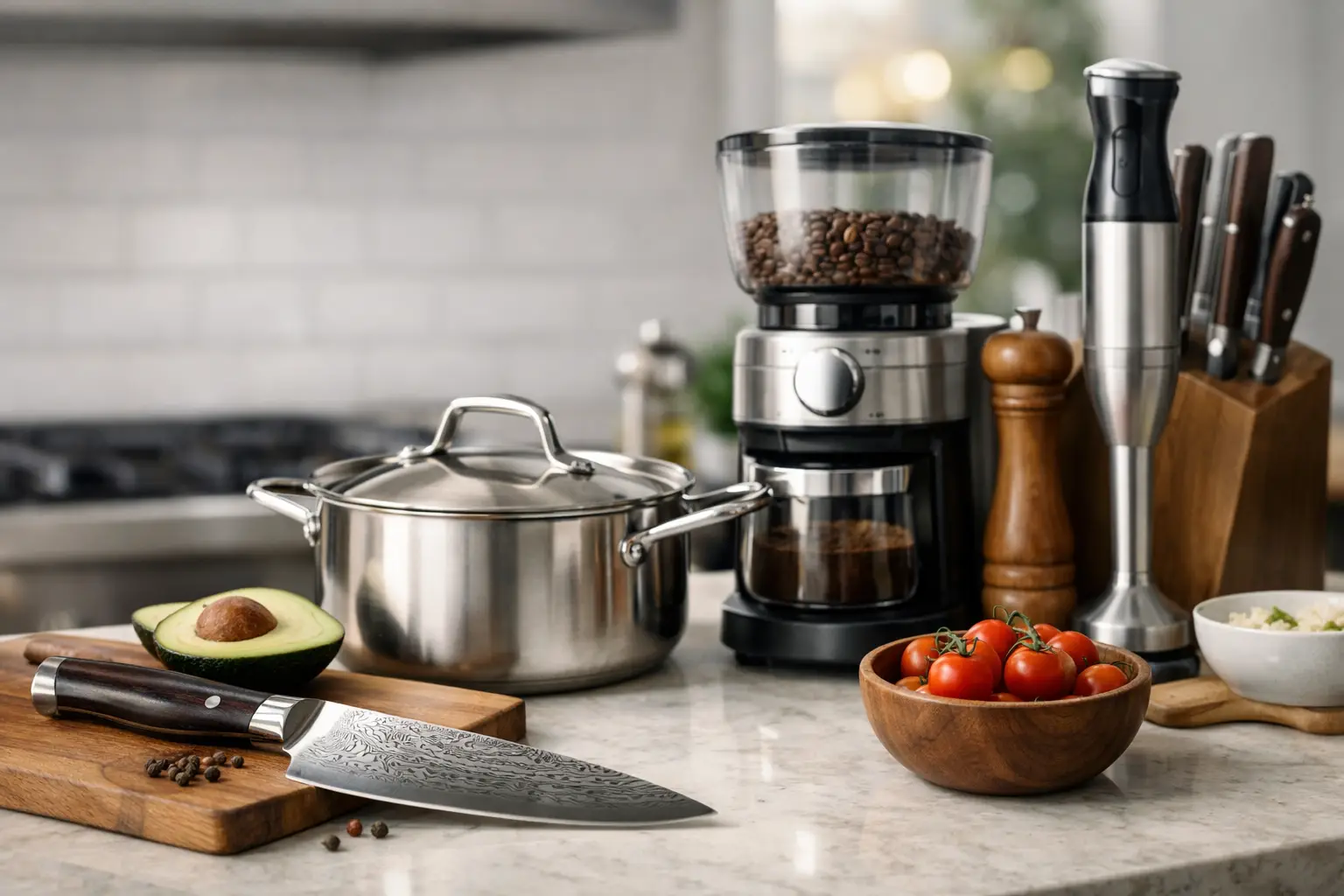
A dull knife that slips through a tomato, a pan that scorches dinner, a flimsy peeler that disappears into the junk drawer – these are small frustrations that make cooking feel harder than it should. So, are premium kitchen tools worth it? For many home cooks, the answer is yes, but only when the tool earns its place through frequent use, better performance, and a finish that still feels good years from now.
Premium does not have to mean buying the most expensive item on the shelf. The smartest upgrades blend thoughtful design, durable materials, and everyday comfort. They turn a rushed weekday meal or a relaxed weekend brunch into a more polished experience without asking you to outfit your entire kitchen like a restaurant.
What Makes a Kitchen Tool Premium?
Price alone is a poor measure of quality. A premium kitchen tool should feel intentionally made. Its handle sits comfortably in your hand, the materials resist warping or staining, and the details solve a real problem rather than simply looking impressive on a countertop.
For cookware, that may mean a thicker base that distributes heat evenly and prevents hot spots. For knives, it can mean a balanced blade that stays sharp longer and offers better control. For smaller tools, premium may show up in a sturdy hinge, a non-slip grip, dishwasher-safe construction, or a finish that keeps its refined look after repeated use.
Style matters, too. A well-designed utensil holder, elegant cutting board, or beautifully finished coffee accessory can make a kitchen feel more considered. The best pieces perform beautifully while contributing to the elevated, welcoming atmosphere you want in your home.
Are Premium Kitchen Tools Worth It for Everyday Cooking?
They are most worthwhile when they touch your routine often. If you cook several nights a week, the right chef’s knife, cutting board, skillet, mixing bowls, and storage containers can save time and reduce annoyance with every meal. That repeated value is what justifies spending more.
Take a quality knife as an example. A sharp, well-balanced knife makes slicing vegetables faster and more precise. It also tends to be safer than a dull blade, which requires more pressure and is more likely to slip. A premium skillet can create better browning, release food more reliably, and hold up through years of family dinners. These are not flashy improvements. They are the kind that make you want to cook more often.
The same principle applies to tools that support your favorite rituals. A serious coffee drinker may appreciate a well-built grinder or sleek milk frother far more than a rarely used pasta maker. Someone who loves hosting may get lasting value from attractive serving boards, insulated drinkware, or a dependable set of prep bowls that moves effortlessly from kitchen to table.
Where Spending More Delivers the Best Return
A kitchen does not need a premium version of everything. Start with the items that carry the most workload, affect food quality, or influence safety. Those categories tend to reward a more thoughtful purchase.
Knives and Cutting Surfaces
One excellent chef’s knife, paired with a solid cutting board, can transform daily prep. Look for a knife with a comfortable grip and a blade you can maintain rather than a large block full of pieces you will never reach for. For cutting boards, substantial wood, bamboo, or quality composite materials tend to feel more stable and protect knife edges better than thin, lightweight boards.
Cookware You Use on Repeat
A dependable skillet, saucepan, and sheet pan are often more valuable than a crowded cabinet. Seek out cookware with sturdy construction, handles that feel secure, and surfaces suited to the way you cook. Stainless steel rewards cooks who want high-heat searing and long-term durability. Quality nonstick cookware can be a practical choice for eggs, fish, and low-fat meals, but it should be replaced once the surface becomes scratched or worn.
Measuring, Mixing, and Prep Essentials
This category is easy to overlook until an undersized measuring cup bends or a bowl slides across the counter. Durable measuring tools, nesting bowls with stable bases, and a reliable set of tongs make prep more efficient and less messy. They are also affordable entry points for shoppers who want a premium feel without committing to a major appliance purchase.
Storage and Countertop Pieces
Storage is functional decor. Attractive canisters, clean-lined organizers, and well-sealed food containers reduce visual clutter while helping ingredients stay fresher. These pieces can be especially worthwhile in open kitchens, apartments, or homes where the kitchen is a central gathering space.
When a Budget Tool Is the Better Choice
Premium is not always the practical answer. A tool used once or twice a year does not need heirloom-level construction. Specialty gadgets can be fun, but many occupy valuable drawer space after the novelty wears off. Before purchasing, ask whether the item solves a problem you actually have or simply promises a more elaborate version of a task you already handle well.
There are also categories where simple designs work perfectly. A basic whisk, silicone spatula, or vegetable brush can perform exceptionally well at a modest price if it is made from food-safe materials and has a comfortable, durable build. You do not need a luxury label to make pancake batter or rinse potatoes.
Be cautious with trend-driven gadgets that offer too many functions. An appliance that claims to chop, blend, steam, grind, and store may sound efficient, but a straightforward, well-made tool is often easier to clean, easier to repair, and more satisfying to use. The premium choice is not necessarily the one with the longest feature list. It is the one that makes a repeated task noticeably better.
How to Shop for Premium Kitchen Tools Without Overpaying
Think in terms of cost per use, not the price tag alone. A $90 skillet used three times a week for five years may offer more value than a $25 pan that needs replacing after one season. That does not mean every purchase needs a five-year commitment. It means your budget should follow your habits.
Before adding an item to your kitchen, consider four practical signals:
- You use the current version at least weekly and its limitations are obvious.
- The new tool is made from materials suited to heat, moisture, and repeated cleaning.
- Its size, weight, and storage needs work for your actual kitchen.
- It has a timeless finish or silhouette you will still enjoy seeing every day.
Reviews can help, but look beyond a few comments about packaging or first impressions. The most useful feedback mentions performance after months of use, ease of cleaning, handle comfort, and whether the piece holds up under normal household demands. A clear return policy also adds confidence when shopping online, particularly for tools where weight and grip make a meaningful difference.
Build a Kitchen That Feels Collected, Not Overcrowded
The most stylish kitchens rarely look overstuffed. They feel collected: a few hardworking tools on display, storage that keeps visual noise in check, and materials that complement one another. Warm wood, brushed metal, matte black, clean glass, and soft neutral tones can all create a sophisticated look when chosen with intention.
Rather than replacing everything at once, upgrade in layers. Start with the item that causes the most frustration, then choose the next piece based on how often you cook and entertain. A new knife may lead to a better cutting board. A dependable pan may make a set of refined utensils feel like a natural next step. This approach keeps the process affordable while giving each purchase a clear purpose.
At Market Maestros, a kitchen upgrade can be part of a larger home refresh: practical enough for everyday meals, polished enough for guests, and selected to make your space feel distinctly yours. The goal is not to chase a chef’s kitchen for the sake of it. It is to surround yourself with tools that make ordinary routines feel more capable, comfortable, and beautifully considered.
Choose the piece you reach for most, invest where performance will be felt, and let your kitchen grow around the way you actually live.








Leave a comment